A Guide to the Strategic Pantry
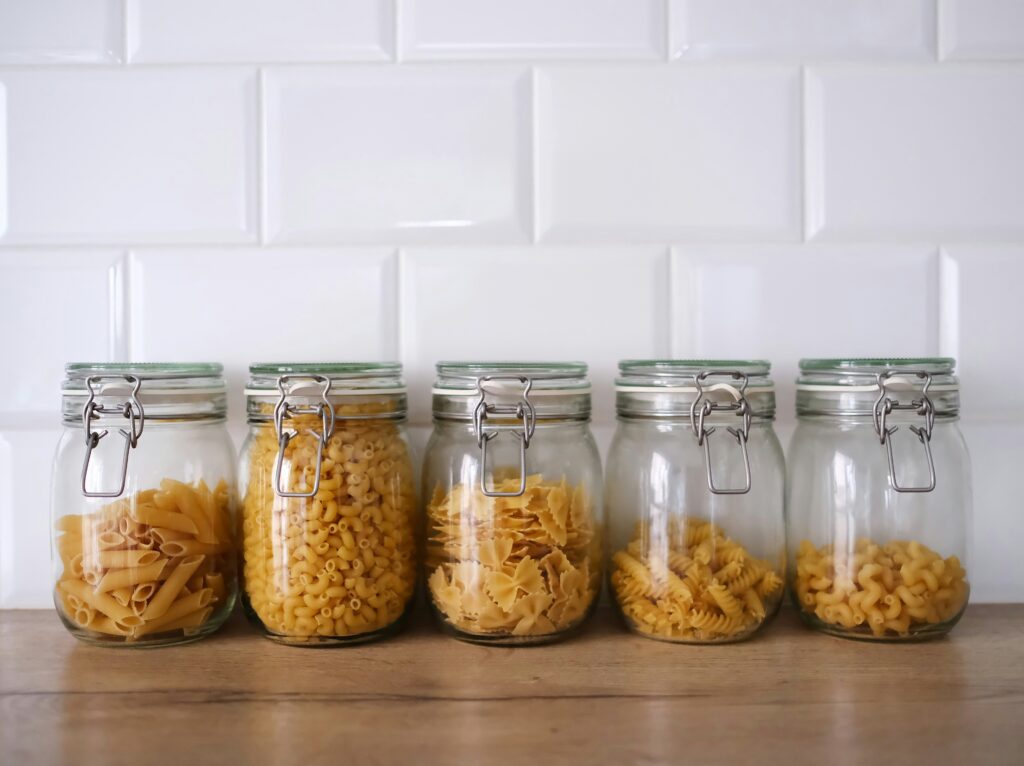
We’ve all been there: staring into a cabinet packed with half-empty bags of specialty flour, three jars of obscure mustard, and a lone can of water chestnuts, yet feeling like there is absolutely nothing to eat.
A versatile pantry isn’t about having everything; it’s about having the right things. It’s the difference between a cluttered storage space and a culinary launchpad. When your pantry is properly stocked, you aren’t just storing food—you’re storing time, money and peace of mind.
Here is how to transform your kitchen from a chaotic collection of cans into a strategic plan for effortless meals.
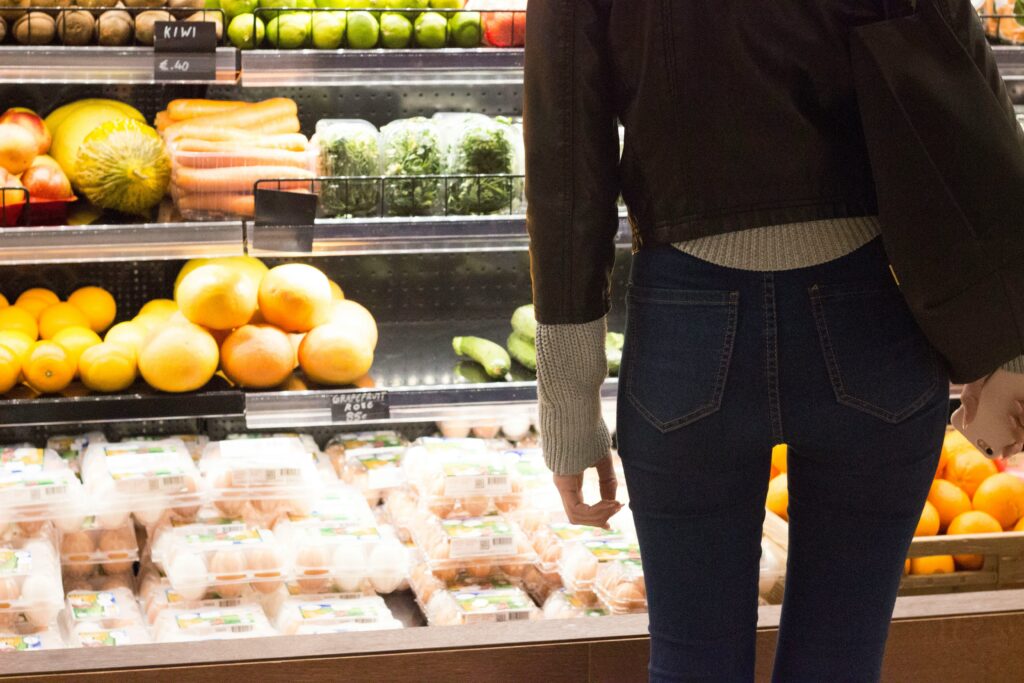
Strategies for Your Next Shopping Trip
The transformation begins at the supermarket, where the goal is to shift from “buying for a meal” to “buying for a system.” When navigating the aisles, prioritize buying in bulk and looking for grains.
While white rice varieties like Basmati or Jasmine are indispensable for their fragrance and speed, incorporating brown rice or quinoa adds a nuttier profile and better nutritional density. Beyond the grain bowl, the versatile kitchen relies on a strategic pasta selection—ideally one long shape like spaghetti and one textured, short shape like penne to catch heavier sauces.
To truly master the “emergency” meal, one should never be without red lentils. These are the secret weapons of the time-crunched cook because they require no soaking and minimal boiling. They can transform a simple broth into a hearty stew in under fifteen minutes.
The FIFO Method
The effectiveness of this system relies heavily on the professional discipline of the First In, First Out (FIFO) method. Even the most thoughtfully curated pantry can become a graveyard of expired goods if not managed properly.
This method is simple: whenever you return from the store, pull the older jars of peanut butter or boxes of pasta to the front and place the new purchases in the back. This ensures a constant rotation of stock, preventing that “buried treasure” effect where you find a can of soup from three years ago hiding in the dark corners. By practicing FIFO, you not only reduce food waste but also maintain a real-time mental inventory of what you actually have on hand.
Grouping by Utility
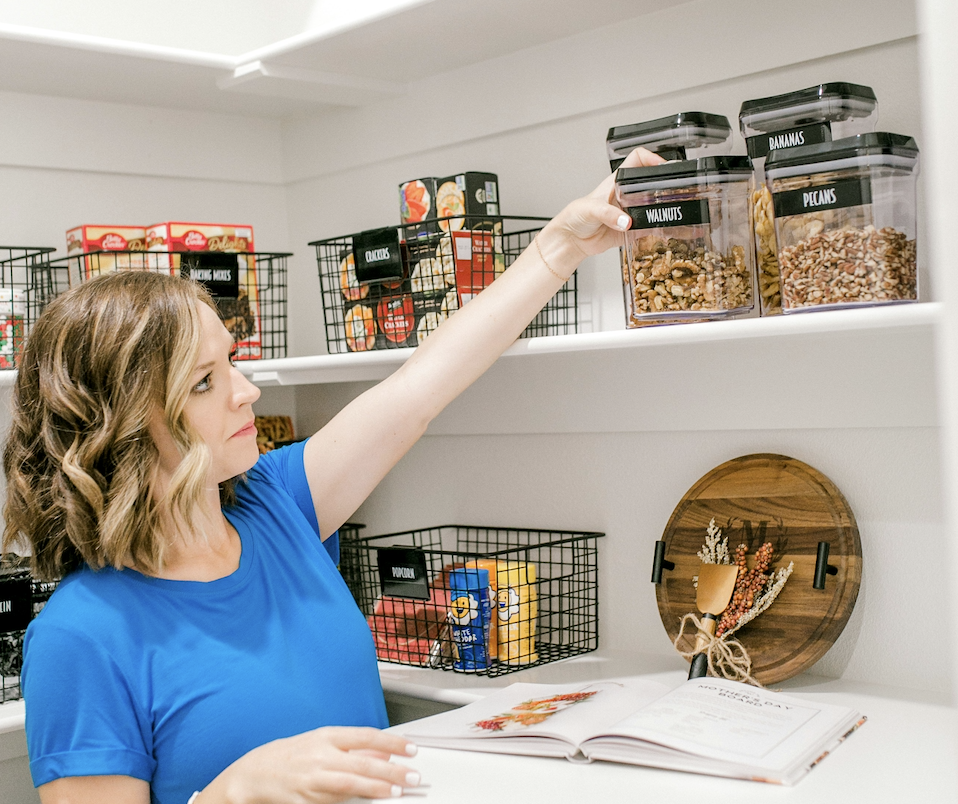
A common mistake in home organization is arranging items by size or aesthetic appeal. Instead, the versatile pantry should be organized by “utility zones.” This creates an intuitive flow that makes cooking feel less like a chore and more like a fluid process.
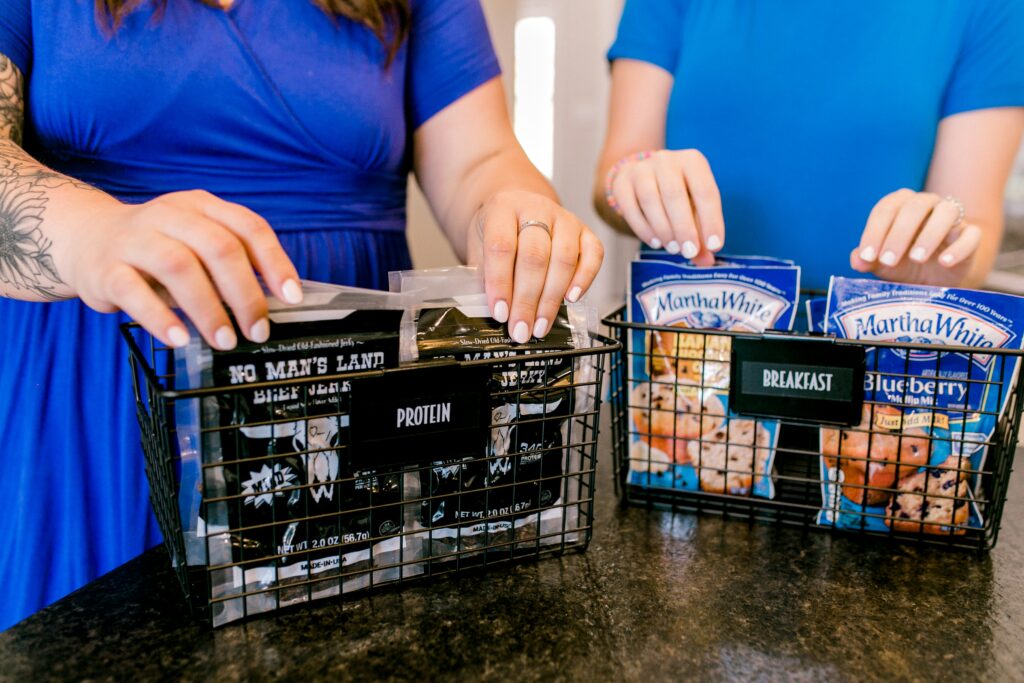
Consider establishing a baking zone (for flours, sugars and leavening agents), a quick-fix zone (for jarred marinara, tuna and ten-minute noodles) and a flavor zone (for oil and vinegars). Customize these zones to your cooking habits so this setup works for you.
Grouping by function rather than form allows you to see exactly what you’re missing for a specific task.
Preparing for Emergencies
During winter storms or hurricane season, it is best to be prepared in advance. On top of creating an emergency kit for you and your family, consider how to store your food in case of a power outage.
That includes using airtight containers and storing dry goods off the floor to prevent pests or moisture damage and keeping shelf-stable foods in a cool, dry, dark location year-round. You should also consider using your freezer to preserve leftovers and extend the life of items bought. And if possible, keep a cooler on hand in case you need to move refrigerated food quickly during an outage.
SNAP Benefits
One last tip is to use SNAP benefits to help you purchase some of these items. SNAP stands for the Supplemental Nutrition Assistance Program and was formerly known as “food stamps.” In North Carolina, it is also called Food and Nutrition Services or FNS. SNAP is available for low-income families across the state and if you want to learn more about it, contact our team. We offer free SNAP application assistance in English, Spanish and Portuguese Monday through Friday, 8 am until 5 pm.
You can call us toll free at 1-855-240-1451 or visit our “Contact Us” page.
Building a versatile pantry is a marathon rather than a sprint. You do not need to overhaul your entire kitchen in a single weekend. Try these tips and see how a little bit of work can go a long way in keeping your food stored safely.
Sources:
Claiborne, Jenné. “The Healthy Eater’s Guide to Pantry Staples.” Vegetarian Times, October 30, 2020. https://www.vegetariantimes.com/vegan-vegetarian-recipes/the-healthy-eaters-pantry-staples/.
Stover, Shannon. “Implementing the ‘FIFO’ System.” Safe Food & Water, January 15, 2026. https://www.canr.msu.edu/news/keep_food_safe_by_implementing_the_fifo_system.
Chefsadev. “Give Your Pantry a Chef Approved Makeover!” CHEF, August 19, 2021. https://www.chefsa.org/blog/give-your-pantry-a-chef-approved-makeover/.
Photo by Jane Korsak on Unsplash
Photo by Julia Mayo on Unsplash
Photo by Cabri Caldwell on Unsplash
Photo by Cabri Caldwell on Unsplash